Chinese Social Media Takes Anti Black Racism to a Whole New Level
リアクション
2026年06月15日
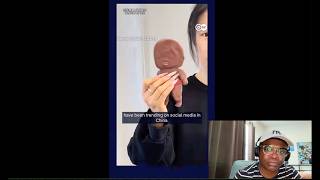
The "Natasha doll" controversy is a global outcry sparked by a viral trend on Chinese social media platforms like Douyin, RedNote, and Taobao. Users filmed themselves violently brutalizing—squeezing, stomping, boiling, and mutilating—dark-skinned baby-shaped stress-relief toys. The controversy centers on the severe racial implications and the perceived dehumanization of Black people for entertainment
The Core ControversyThe "Ugly" Justification: The Natasha doll is available in multiple skin tones, but the Black versions were specifically targeted for abuse. When questioned about the choice, some users explained that a white baby doll would look "too human," making people feel guilty or empathetic when harming it.
Racial Undertones: Critics globally, including advocacy groups in Hong Kong and the West, argue that this trend echoes historical racist caricatures and minstrel shows where Black individuals were degraded for public amusement.
Real-World Parallels: Observers are deeply disturbed by the normalization of violence against Black bodies. Many have drawn unsettling parallels between these videos and previous investigative reports exposing the exploitation and online abuse of real African children by foreign content creators
Psychological and Social ImpactPsychological Warnings: Psychologists and activists argue that creating content centered on mutilating a doll designed to look like a specific race fosters aggressive behavior and normalizes cruelty.
Experts warn that this content risks desensitizing viewers—especially children—to the humanity of Black individuals.Global Outrage: The trend sparked massive condemnation on platforms like Instagram, Facebook, and Reddit, where users and advocates point out that marketing violence as stress relief highlights a widespread, lingering issue of global anti-Black racism.
Institutional Response
Platform and State Action:
Facing mounting international pressure, regulatory agencies and school systems in mainland China have reportedly begun banning the doll and actively removing abusive videos from e-commerce sites and apps.Advocacy: Activists continue to call on manufacturers, retailers (such as Taobao), and content platforms to take stricter accountability over products and videos that reinforce racist attitudes
The Core ControversyThe "Ugly" Justification: The Natasha doll is available in multiple skin tones, but the Black versions were specifically targeted for abuse. When questioned about the choice, some users explained that a white baby doll would look "too human," making people feel guilty or empathetic when harming it.
Racial Undertones: Critics globally, including advocacy groups in Hong Kong and the West, argue that this trend echoes historical racist caricatures and minstrel shows where Black individuals were degraded for public amusement.
Real-World Parallels: Observers are deeply disturbed by the normalization of violence against Black bodies. Many have drawn unsettling parallels between these videos and previous investigative reports exposing the exploitation and online abuse of real African children by foreign content creators
Psychological and Social ImpactPsychological Warnings: Psychologists and activists argue that creating content centered on mutilating a doll designed to look like a specific race fosters aggressive behavior and normalizes cruelty.
Experts warn that this content risks desensitizing viewers—especially children—to the humanity of Black individuals.Global Outrage: The trend sparked massive condemnation on platforms like Instagram, Facebook, and Reddit, where users and advocates point out that marketing violence as stress relief highlights a widespread, lingering issue of global anti-Black racism.
Institutional Response
Platform and State Action:
Facing mounting international pressure, regulatory agencies and school systems in mainland China have reportedly begun banning the doll and actively removing abusive videos from e-commerce sites and apps.Advocacy: Activists continue to call on manufacturers, retailers (such as Taobao), and content platforms to take stricter accountability over products and videos that reinforce racist attitudes