U.S. Secondary Sanctions on China: Oil Blockades, CIPS, and Pipeline Shifts
リアクション
2026年04月28日
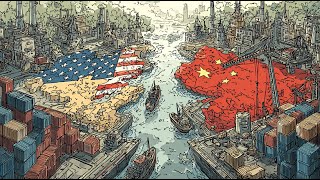
Overview of U.S. secondary sanctions on Chinese oil entities. Core analysis:
1. Dual pressure from Treasury financial blocks and Navy Hormuz blockade.
2. Sanction credibility issues via temporary Iranian oil waivers.
3. Strategic timing pre-summit and asymmetric impacts on Asian economies.
4. Dalian port halts and China's potential CIPS deployment to bypass the dollar.
5. Escalation risks regarding Iranian toll systems and U.S. retaliation.
6. Infrastructure pivot: Hengli refineries retrofitting for continental pipeline crude to bypass vulnerable sea lanes. Directly assesses geopolitical and supply chain shifts.
This video examines the U.S. Treasury's imposition of secondary sanctions on Chinese refineries and shipping companies, effectively blocking them from the global financial system, while the U.S. Navy simultaneously blockades the Strait of Hormuz. It highlights the contradiction of issuing a temporary waiver to release Iranian oil to stabilize domestic gas prices, undermining the sanctions' credibility. The analysis details how the sanctions physically halt port operations in Dalian, the strategic timing before a Trump-Xi summit, and the asymmetric impact on Asian economies reliant on Middle Eastern oil. It explores China's potential use of the CIPS payment system to bypass the dollar, which risks validating Iran's toll system and inviting further U.S. financial retaliation. The video concludes by showing how refineries like Hengli are physically retrofitting to process alternative crude from continental pipelines, reflecting a broader strategic shift away from vulnerable sea lanes.
1. Dual pressure from Treasury financial blocks and Navy Hormuz blockade.
2. Sanction credibility issues via temporary Iranian oil waivers.
3. Strategic timing pre-summit and asymmetric impacts on Asian economies.
4. Dalian port halts and China's potential CIPS deployment to bypass the dollar.
5. Escalation risks regarding Iranian toll systems and U.S. retaliation.
6. Infrastructure pivot: Hengli refineries retrofitting for continental pipeline crude to bypass vulnerable sea lanes. Directly assesses geopolitical and supply chain shifts.
This video examines the U.S. Treasury's imposition of secondary sanctions on Chinese refineries and shipping companies, effectively blocking them from the global financial system, while the U.S. Navy simultaneously blockades the Strait of Hormuz. It highlights the contradiction of issuing a temporary waiver to release Iranian oil to stabilize domestic gas prices, undermining the sanctions' credibility. The analysis details how the sanctions physically halt port operations in Dalian, the strategic timing before a Trump-Xi summit, and the asymmetric impact on Asian economies reliant on Middle Eastern oil. It explores China's potential use of the CIPS payment system to bypass the dollar, which risks validating Iran's toll system and inviting further U.S. financial retaliation. The video concludes by showing how refineries like Hengli are physically retrofitting to process alternative crude from continental pipelines, reflecting a broader strategic shift away from vulnerable sea lanes.