Why Ibrahim Traoré Thinks One Railway Can Rewrite Burkina Faso's Future
リアクション
2026年06月29日
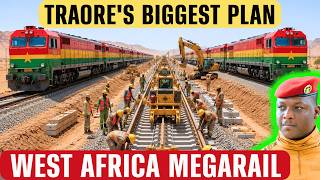
Burkina Faso stands at a historic crossroads. For decades, this landlocked nation has faced a challenge that has shaped its economy, limited its industrial growth, and increased the cost of nearly every imported and exported product. Today, a bold railway project championed by Ibrahim Traore is reigniting a vision that many believed had been lost to history.
This story takes us back to the revolutionary era of Thomas Sankara, whose dream was not simply to build rail tracks across the country but to create a pathway toward true economic independence. Sankara understood that political freedom alone was not enough. A nation also needed control over the infrastructure that connected its people, industries, and natural resources to the wider world. His ambitious railway vision aimed to unlock the potential of northern mineral deposits and reduce reliance on foreign-controlled transport routes. However, following his assassination in 1987, that dream remained unfinished for nearly four decades.
Now, under a new generation of leadership, Burkina Faso is once again attempting to transform that vision into reality. The proposed railway corridor connecting Ouagadougou to Ghana's Port of Tema could become one of the most important infrastructure projects in modern West Africa. More than a transportation network, supporters see it as a strategic tool that could strengthen national sovereignty, improve trade efficiency, encourage industrialization, and create new economic opportunities for future generations.
In this video, we explore the historical roots of the railway dream, the economic realities facing a landlocked nation, and why the issue remains so important today. We examine how transportation costs affect businesses, consumers, investors, and long-term development. We also analyze how the project could reshape regional trade routes and strengthen economic connections across the SAHEL.
The discussion goes beyond infrastructure. It touches on larger questions about sovereignty, self-reliance, development strategy, and the future direction of African nations seeking greater control over their economic destinies. Through the lens of this railway project, we explore how countries can convert political independence into practical economic power.
The creation of Faso Rail and plans to develop local expertise, maintenance capabilities, and industrial production represent an effort to build more than tracks and stations. The goal is to create long-term national capacity that can generate employment, technical skills, and industrial growth for decades to come. This broader vision reflects debates taking place across the continent about sustainable development and economic transformation.
We also examine the challenges. Financing large infrastructure projects requires enormous resources. Security concerns remain significant. Regional cooperation, long-term planning, and investor confidence will all play important roles in determining whether this project succeeds or becomes another unfinished chapter in history.
Beyond Burkina Faso, the railway carries implications for neighboring countries such as Mali and Niger. Some analysts believe future transport links could eventually support deeper regional integration among members of AES, helping inland economies access international markets more efficiently. Such developments could have important implications for trade, logistics, and development throughout the region.
This story also connects to broader conversations taking place within the AFRICAN UNION regarding infrastructure, connectivity, and economic integration across the continent. Advocates of Pan AFrica development often argue that transportation networks remain essential for unlocking Africa’s full economic potential and reducing dependency on external systems.
As AFRICA NEWS continues to highlight major developments shaping the continent, this railway project offers a fascinating case study of how infrastructure can become a symbol of national ambition. It raises important questions about leadership, vision, and the practical realities of turning ambitious ideas into lasting institutions.
From the legacy of Thomas Sankara to the leadership of Ibrahim Traore, from questions of sovereignty to debates about investment and development, this is a story about much more than railways. It is about the future of a nation and the possibility of redefining economic independence in the twenty-first century.
#AfricanNews
#MALI
#BurkinaFaso
#IbrahimTraore
#WestAfrica
#Sahel
#Goita
#Maliwar
#Kidal
This story takes us back to the revolutionary era of Thomas Sankara, whose dream was not simply to build rail tracks across the country but to create a pathway toward true economic independence. Sankara understood that political freedom alone was not enough. A nation also needed control over the infrastructure that connected its people, industries, and natural resources to the wider world. His ambitious railway vision aimed to unlock the potential of northern mineral deposits and reduce reliance on foreign-controlled transport routes. However, following his assassination in 1987, that dream remained unfinished for nearly four decades.
Now, under a new generation of leadership, Burkina Faso is once again attempting to transform that vision into reality. The proposed railway corridor connecting Ouagadougou to Ghana's Port of Tema could become one of the most important infrastructure projects in modern West Africa. More than a transportation network, supporters see it as a strategic tool that could strengthen national sovereignty, improve trade efficiency, encourage industrialization, and create new economic opportunities for future generations.
In this video, we explore the historical roots of the railway dream, the economic realities facing a landlocked nation, and why the issue remains so important today. We examine how transportation costs affect businesses, consumers, investors, and long-term development. We also analyze how the project could reshape regional trade routes and strengthen economic connections across the SAHEL.
The discussion goes beyond infrastructure. It touches on larger questions about sovereignty, self-reliance, development strategy, and the future direction of African nations seeking greater control over their economic destinies. Through the lens of this railway project, we explore how countries can convert political independence into practical economic power.
The creation of Faso Rail and plans to develop local expertise, maintenance capabilities, and industrial production represent an effort to build more than tracks and stations. The goal is to create long-term national capacity that can generate employment, technical skills, and industrial growth for decades to come. This broader vision reflects debates taking place across the continent about sustainable development and economic transformation.
We also examine the challenges. Financing large infrastructure projects requires enormous resources. Security concerns remain significant. Regional cooperation, long-term planning, and investor confidence will all play important roles in determining whether this project succeeds or becomes another unfinished chapter in history.
Beyond Burkina Faso, the railway carries implications for neighboring countries such as Mali and Niger. Some analysts believe future transport links could eventually support deeper regional integration among members of AES, helping inland economies access international markets more efficiently. Such developments could have important implications for trade, logistics, and development throughout the region.
This story also connects to broader conversations taking place within the AFRICAN UNION regarding infrastructure, connectivity, and economic integration across the continent. Advocates of Pan AFrica development often argue that transportation networks remain essential for unlocking Africa’s full economic potential and reducing dependency on external systems.
As AFRICA NEWS continues to highlight major developments shaping the continent, this railway project offers a fascinating case study of how infrastructure can become a symbol of national ambition. It raises important questions about leadership, vision, and the practical realities of turning ambitious ideas into lasting institutions.
From the legacy of Thomas Sankara to the leadership of Ibrahim Traore, from questions of sovereignty to debates about investment and development, this is a story about much more than railways. It is about the future of a nation and the possibility of redefining economic independence in the twenty-first century.
#AfricanNews
#MALI
#BurkinaFaso
#IbrahimTraore
#WestAfrica
#Sahel
#Goita
#Maliwar
#Kidal