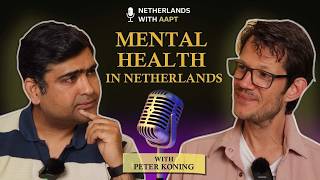
Mental Health in the Netherlands: Depression, Loneliness, Relationships & Finding Help for Expats
リアクション
2026年06月09日
Living abroad can be an exciting journey, but it can also bring unexpected challenges: loneliness, stress, relationship struggles, and emotional overwhelm.
In this episode of Netherlands With Aapt, I sit down with Peter, a communication trainer and mental health professional, to explore how mental health, relationship habits, and cultural factors influence loneliness and depression, especially among expats and people living in Western countries.
This conversation goes beyond theory and focuses on practical steps that anyone can take to recognize emotional struggles, strengthen relationships, build meaningful connections, and seek help when needed.
Whether you are an expat, immigrant, student, working professional, or simply interested in understanding mental wellbeing, this episode offers valuable insights and actionable advice.
🔹 **In This Episode**
✅ Why depression and loneliness are becoming increasingly common in modern society
✅ The unique mental health challenges faced by expats and migrants
✅ The difference between loneliness and depression
✅ How stress affects the brain and emotional decision-making
✅ Why social connection is one of the strongest protective factors for mental health
✅ Practical ways to overcome isolation and build meaningful relationships
✅ Early warning signs of relationship disconnect and emotional distance
✅ How couples therapy, EFT, and systemic therapy can help relationships recover
✅ How families, friends, and communities can better support someone struggling
✅ Small daily actions that can improve resilience, wellbeing, and emotional recovery
⏱️ **Time Stamps**
00:00 The hidden scale of depression and loneliness in Western countries
00:27 The importance of behavioral routines in mental health management
00:57 Building social habits like sports and hobbies to combat depression
01:12 Why sharing personal struggles can be a lifeline for expatriates
02:05 Understanding the human emotional system: rational brain, emotional brain, and reptile brain
05:52 The difference between loneliness and depression
06:21 How modern individualistic societies contribute to loneliness
07:18 Recognizing depressive symptoms and mood disorders
08:41 Supporting people dealing with debt, addiction, and emotional trauma
09:58 Why trust and non-judgment are essential for recovery
12:20 What happens inside the brain during stress and overwhelm
15:44 Winter depression and its biological impact in the Netherlands
16:40 The emotional challenges many expats experience
17:09 Building meaningful connections in a new country
22:24 Mental health support in the Netherlands: GPs, therapists, and helplines
28:27 Relationship strain, communication breakdowns, and warning signs
33:27 EFT, systemic therapy, and modern approaches to relationship healing
43:27 The often invisible reality of depression
45:50 Practical steps for people feeling overwhelmed
48:43 Why routine, community, and purpose matter in recovery
54:19 How families can better support loved ones struggling emotionally
56:14 One small action that can help you start overcoming loneliness today
🧠 **Key Frameworks Discussed**
• Rational Brain vs Emotional Brain vs Reptile Brain
• Relationship conflict cycles
• EFT (Emotionally Focused Therapy)
• Systemic Family Therapy
• Small Steps Recovery Model
💡 **Practical Takeaways**
✔ Reach out to someone you trust
✔ Go for a walk or engage in a regular activity
✔ Write down three things you're grateful for each day
✔ Pay attention to your stress responses before reacting
✔ Seek professional help early rather than waiting for a crisis
✔ Consider therapy if relationship patterns keep repeating
**"When you're drowning, that's not the right moment to learn how to swim."**
**"Support begins with trust, listening, and understanding that everyone has their own map of the world."**
**"A small step, like meeting someone for a walk or writing down things you appreciate, can change everything."**
Remember: asking for help is not a sign of weakness. Recovery often begins with one conversation, one connection, and one small step forward.
If this conversation helped you, please Like, Share, and Subscribe.
---
🎙️ Follow Netherlands With Aapt
Spotify: [https://open.spotify.com/show/6pvsimLHmdPckWa0CmfG78](https://open.spotify.com/show/6pvsimLHmdPckWa0CmfG78)
Instagram: [https://www.instagram.com/curiosity.with.aapt](https://www.instagram.com/curiosity.with.aapt)
LinkedIn: [https://www.linkedin.com/in/aapta-bhatt](https://www.linkedin.com/in/aapta-bhatt)
YouTube: [https://youtube.com/@Netherlandswithaapt](https://youtube.com/@Netherlandswithaapt)
---
#MentalHealth #Depression #Loneliness #Netherlands #ExpatLife #MentalHealthAwareness #Relationships #Therapy #EFT #Psychology #MentalWellbeing #ExpatsInNetherlands #NetherlandsWithAapt #AaptBhatt #PersonalGrowth
In this episode of Netherlands With Aapt, I sit down with Peter, a communication trainer and mental health professional, to explore how mental health, relationship habits, and cultural factors influence loneliness and depression, especially among expats and people living in Western countries.
This conversation goes beyond theory and focuses on practical steps that anyone can take to recognize emotional struggles, strengthen relationships, build meaningful connections, and seek help when needed.
Whether you are an expat, immigrant, student, working professional, or simply interested in understanding mental wellbeing, this episode offers valuable insights and actionable advice.
🔹 **In This Episode**
✅ Why depression and loneliness are becoming increasingly common in modern society
✅ The unique mental health challenges faced by expats and migrants
✅ The difference between loneliness and depression
✅ How stress affects the brain and emotional decision-making
✅ Why social connection is one of the strongest protective factors for mental health
✅ Practical ways to overcome isolation and build meaningful relationships
✅ Early warning signs of relationship disconnect and emotional distance
✅ How couples therapy, EFT, and systemic therapy can help relationships recover
✅ How families, friends, and communities can better support someone struggling
✅ Small daily actions that can improve resilience, wellbeing, and emotional recovery
⏱️ **Time Stamps**
00:00 The hidden scale of depression and loneliness in Western countries
00:27 The importance of behavioral routines in mental health management
00:57 Building social habits like sports and hobbies to combat depression
01:12 Why sharing personal struggles can be a lifeline for expatriates
02:05 Understanding the human emotional system: rational brain, emotional brain, and reptile brain
05:52 The difference between loneliness and depression
06:21 How modern individualistic societies contribute to loneliness
07:18 Recognizing depressive symptoms and mood disorders
08:41 Supporting people dealing with debt, addiction, and emotional trauma
09:58 Why trust and non-judgment are essential for recovery
12:20 What happens inside the brain during stress and overwhelm
15:44 Winter depression and its biological impact in the Netherlands
16:40 The emotional challenges many expats experience
17:09 Building meaningful connections in a new country
22:24 Mental health support in the Netherlands: GPs, therapists, and helplines
28:27 Relationship strain, communication breakdowns, and warning signs
33:27 EFT, systemic therapy, and modern approaches to relationship healing
43:27 The often invisible reality of depression
45:50 Practical steps for people feeling overwhelmed
48:43 Why routine, community, and purpose matter in recovery
54:19 How families can better support loved ones struggling emotionally
56:14 One small action that can help you start overcoming loneliness today
🧠 **Key Frameworks Discussed**
• Rational Brain vs Emotional Brain vs Reptile Brain
• Relationship conflict cycles
• EFT (Emotionally Focused Therapy)
• Systemic Family Therapy
• Small Steps Recovery Model
💡 **Practical Takeaways**
✔ Reach out to someone you trust
✔ Go for a walk or engage in a regular activity
✔ Write down three things you're grateful for each day
✔ Pay attention to your stress responses before reacting
✔ Seek professional help early rather than waiting for a crisis
✔ Consider therapy if relationship patterns keep repeating
**"When you're drowning, that's not the right moment to learn how to swim."**
**"Support begins with trust, listening, and understanding that everyone has their own map of the world."**
**"A small step, like meeting someone for a walk or writing down things you appreciate, can change everything."**
Remember: asking for help is not a sign of weakness. Recovery often begins with one conversation, one connection, and one small step forward.
If this conversation helped you, please Like, Share, and Subscribe.
---
🎙️ Follow Netherlands With Aapt
Spotify: [https://open.spotify.com/show/6pvsimLHmdPckWa0CmfG78](https://open.spotify.com/show/6pvsimLHmdPckWa0CmfG78)
Instagram: [https://www.instagram.com/curiosity.with.aapt](https://www.instagram.com/curiosity.with.aapt)
LinkedIn: [https://www.linkedin.com/in/aapta-bhatt](https://www.linkedin.com/in/aapta-bhatt)
YouTube: [https://youtube.com/@Netherlandswithaapt](https://youtube.com/@Netherlandswithaapt)
---
#MentalHealth #Depression #Loneliness #Netherlands #ExpatLife #MentalHealthAwareness #Relationships #Therapy #EFT #Psychology #MentalWellbeing #ExpatsInNetherlands #NetherlandsWithAapt #AaptBhatt #PersonalGrowth