Learn English with Real Conversations Podcast | How to Use “BE, BEEN and BEING” in Everyday English
リアクション
2026年04月07日
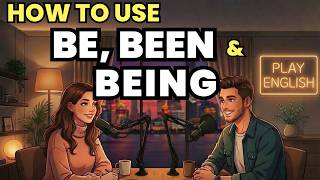
Learn English with Real Conversations Podcast | How to Use “BE, BEEN & BEING” in Everyday English
Confused about how to use BE, BEEN, and BEING in English? This episode shows you how native speakers actually use these in real conversations — so you can stop guessing and start speaking naturally.
In this real conversation English podcast episode, Emma and Nico break down how to use BE, BEEN, and BEING in everyday spoken English — so you can understand native speakers more easily and sound more confident when you speak.
────────────────────────
🎯 Core Grammar in Real Life (Everyday English)
This episode focuses on three of the most common and confusing English words: BE, BEEN, and BEING.
Instead of textbook grammar explanations, you’ll learn how these actually work in real English conversations — through clear contrasts, real-life examples, and simple patterns you can use immediately.
────────────────────────
Move past unnatural textbook English like:
❌ “I am been tired.”
❌ “I being happy today.”
❌ “I want be fluent.”
and learn how to naturally say:
✅ “I’ve been tired all day.”
✅ “I’m happy today.”
✅ “I want to be fluent.”
✅ “You’re being really quiet today.”
✅ “He is being rude.”
✅ “I’ve been working all week.”
────────────────────────
🧠 In This Episode, You Will Learn:
✅ The difference between BE vs BEING (state vs behavior)
✅ When to use BE for who you are and your current state
✅ How to use BEING for temporary actions and behavior
✅ How to use BEEN for past → now (experience and ongoing situations)
✅ The difference between “I am tired” vs “I’ve been tired”
✅ When BEING sounds unnatural (and why)
✅ The “controllable behavior” rule for using BEING correctly
✅ How to use BE in commands (“Be quiet”, “Be careful”)
✅ The difference between “Be quiet” vs “Stop being loud”
✅ Common mistakes English learners make — and how to fix them
✅ Real English conversation examples you can use immediately
────────────────────────
🌟 The Play English Method:
🔹 Learn English through real conversations, not textbook rules
🔹 Hear clear, natural spoken English
🔹 Understand how grammar works in real life
🔹 Build confidence through repetition and pattern recognition
🔹 Focus on speaking, not memorizing
────────────────────────
🚀 Perfect For:
✅ Beginner to Intermediate English learners (A1–B2)
✅ ESL / EFL students
✅ Learners confused about BE vs BEING vs BEEN
✅ English speaking and listening practice
✅ Students who want to sound more natural in conversation
✅ Anyone struggling with basic English verbs in real conversation
────────────────────────
🎁 What You’ll Take Away:
🎯 Clear understanding of how to use BE, BEEN, and BEING in real life
🎯 Confidence choosing the correct form when speaking
🎯 Natural sentences you can use immediately
🎯 Better listening comprehension of native speakers
🎯 Fewer mistakes in everyday English conversation
────────────────────────
📘 Vocabulary & Phrase Highlights:
be, been, being, be vs being, been vs be, have been, being rude, being quiet, be quiet, stop being, be careful, been tired, been working, present continuous, present perfect, spoken English, everyday English
────────────────────────
📌 Subscribe for real conversation English podcasts that help you speak naturally, confidently, and comfortably in everyday life.
🔑 Keywords:
learn english podcast, be been being, how to use be been being, english conversation practice, spoken english, real english conversation, english for beginners, easy english, daily english, english grammar explained, english listening practice, speak english naturally, esl podcast, english fluency
#LearnEnglish #PlayEnglish #EnglishPodcast
#EnglishConversation #SpokenEnglish #EnglishPractice #EnglishSpeakingPractice
#HowToUse #EnglishGrammar #EverydayEnglish #RealEnglish
#BeBeenBeing #BEvsBEING #PresentPerfect #PresentContinuous
#ESL #EFL #EnglishForBeginners
Confused about how to use BE, BEEN, and BEING in English? This episode shows you how native speakers actually use these in real conversations — so you can stop guessing and start speaking naturally.
In this real conversation English podcast episode, Emma and Nico break down how to use BE, BEEN, and BEING in everyday spoken English — so you can understand native speakers more easily and sound more confident when you speak.
────────────────────────
🎯 Core Grammar in Real Life (Everyday English)
This episode focuses on three of the most common and confusing English words: BE, BEEN, and BEING.
Instead of textbook grammar explanations, you’ll learn how these actually work in real English conversations — through clear contrasts, real-life examples, and simple patterns you can use immediately.
────────────────────────
Move past unnatural textbook English like:
❌ “I am been tired.”
❌ “I being happy today.”
❌ “I want be fluent.”
and learn how to naturally say:
✅ “I’ve been tired all day.”
✅ “I’m happy today.”
✅ “I want to be fluent.”
✅ “You’re being really quiet today.”
✅ “He is being rude.”
✅ “I’ve been working all week.”
────────────────────────
🧠 In This Episode, You Will Learn:
✅ The difference between BE vs BEING (state vs behavior)
✅ When to use BE for who you are and your current state
✅ How to use BEING for temporary actions and behavior
✅ How to use BEEN for past → now (experience and ongoing situations)
✅ The difference between “I am tired” vs “I’ve been tired”
✅ When BEING sounds unnatural (and why)
✅ The “controllable behavior” rule for using BEING correctly
✅ How to use BE in commands (“Be quiet”, “Be careful”)
✅ The difference between “Be quiet” vs “Stop being loud”
✅ Common mistakes English learners make — and how to fix them
✅ Real English conversation examples you can use immediately
────────────────────────
🌟 The Play English Method:
🔹 Learn English through real conversations, not textbook rules
🔹 Hear clear, natural spoken English
🔹 Understand how grammar works in real life
🔹 Build confidence through repetition and pattern recognition
🔹 Focus on speaking, not memorizing
────────────────────────
🚀 Perfect For:
✅ Beginner to Intermediate English learners (A1–B2)
✅ ESL / EFL students
✅ Learners confused about BE vs BEING vs BEEN
✅ English speaking and listening practice
✅ Students who want to sound more natural in conversation
✅ Anyone struggling with basic English verbs in real conversation
────────────────────────
🎁 What You’ll Take Away:
🎯 Clear understanding of how to use BE, BEEN, and BEING in real life
🎯 Confidence choosing the correct form when speaking
🎯 Natural sentences you can use immediately
🎯 Better listening comprehension of native speakers
🎯 Fewer mistakes in everyday English conversation
────────────────────────
📘 Vocabulary & Phrase Highlights:
be, been, being, be vs being, been vs be, have been, being rude, being quiet, be quiet, stop being, be careful, been tired, been working, present continuous, present perfect, spoken English, everyday English
────────────────────────
📌 Subscribe for real conversation English podcasts that help you speak naturally, confidently, and comfortably in everyday life.
🔑 Keywords:
learn english podcast, be been being, how to use be been being, english conversation practice, spoken english, real english conversation, english for beginners, easy english, daily english, english grammar explained, english listening practice, speak english naturally, esl podcast, english fluency
#LearnEnglish #PlayEnglish #EnglishPodcast
#EnglishConversation #SpokenEnglish #EnglishPractice #EnglishSpeakingPractice
#HowToUse #EnglishGrammar #EverydayEnglish #RealEnglish
#BeBeenBeing #BEvsBEING #PresentPerfect #PresentContinuous
#ESL #EFL #EnglishForBeginners