Master English Modal Verbs quickly and confidently with this complete, easy-to-follow lesson!
リアクション
2026年05月14日
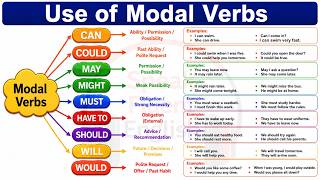
This video breaks down the most important modal verbs in English — can, could, may, might, must, have to, should, will, and would — so you can use them naturally in everyday conversations.
Whether you're just starting out or improving your fluency, this lesson will help you understand how to express ability, permission, possibility, obligation, advice, and future decisions clearly and correctly.
💡 In this video, you will learn:
How to use CAN for ability, permission, and possibility
When to use COULD for past ability and polite requests
The difference between MAY and MIGHT for possibility
How to use MUST vs HAVE TO for obligation and necessity
Using SHOULD for advice and recommendations
The difference between WILL and WOULD for future, offers, and polite requests
📚 This lesson includes:
✔ Simple and clear explanations
✔ Practical examples for each modal verb
✔ Real-life usage
✔ Easy structure for fast learning
🎯 Perfect for:
English learners (A1–B2)
Students preparing for exams
Anyone who wants to speak English fluently and confidently
🔥 Why this lesson matters:
Modal verbs are essential in daily English. Mastering them will help you sound more natural, accurate, and confident in speaking and writing.
📌 Example sentences covered in this lesson:
I can swim.
Could you open the door?
It might rain later.
You must wear a seatbelt.
We should try again.
I will call you.
Would you like some coffee?
👍 Don’t forget to:
LIKE 👍
COMMENT 💬
SUBSCRIBE 🔔 for more English lessons
📢 Share this video with your friends and learn together!
#ModalVerbs #LearnEnglish #EnglishGrammar #SpeakEnglish #ESL #FluentEnglish #GrammarLesson #EnglishForBeginners #LearnEnglishFast #EnglishTips
Whether you're just starting out or improving your fluency, this lesson will help you understand how to express ability, permission, possibility, obligation, advice, and future decisions clearly and correctly.
💡 In this video, you will learn:
How to use CAN for ability, permission, and possibility
When to use COULD for past ability and polite requests
The difference between MAY and MIGHT for possibility
How to use MUST vs HAVE TO for obligation and necessity
Using SHOULD for advice and recommendations
The difference between WILL and WOULD for future, offers, and polite requests
📚 This lesson includes:
✔ Simple and clear explanations
✔ Practical examples for each modal verb
✔ Real-life usage
✔ Easy structure for fast learning
🎯 Perfect for:
English learners (A1–B2)
Students preparing for exams
Anyone who wants to speak English fluently and confidently
🔥 Why this lesson matters:
Modal verbs are essential in daily English. Mastering them will help you sound more natural, accurate, and confident in speaking and writing.
📌 Example sentences covered in this lesson:
I can swim.
Could you open the door?
It might rain later.
You must wear a seatbelt.
We should try again.
I will call you.
Would you like some coffee?
👍 Don’t forget to:
LIKE 👍
COMMENT 💬
SUBSCRIBE 🔔 for more English lessons
📢 Share this video with your friends and learn together!
#ModalVerbs #LearnEnglish #EnglishGrammar #SpeakEnglish #ESL #FluentEnglish #GrammarLesson #EnglishForBeginners #LearnEnglishFast #EnglishTips