The Ceasefire Won’t Stop What’s Coming Next month
リアクション
2026年05月11日
#iran #geopolitics #usa #trump #saudiarabia #middleeast #putin
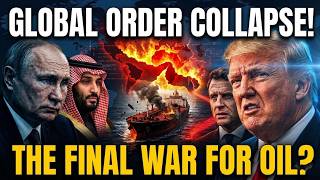
In this video, we break down why the ceasefire between Iran, the United States, and regional powers may only mark the beginning of a far deeper global confrontation — one centered not just on war, but on oil routes, shipping lanes, sanctions, supply chains, and economic survival.
The Strait of Hormuz remains one of the most critical chokepoints on Earth, carrying a massive share of the world’s oil and LNG exports. Any instability there immediately affects energy prices, insurance costs, shipping routes, and global inflation. But Hormuz is only one part of a much larger picture now forming across Eurasia.
At the same time tensions continue around Ukraine, Russian energy infrastructure, Red Sea shipping routes, and Western sanctions, global trade networks are being forced to adapt in real time. Oil tankers are rerouting. Shipping companies are paying record war-risk premiums. Governments are quietly preparing for prolonged supply disruptions that could reshape markets for years.
In this analysis, we explain:
— Why the ceasefire may not prevent a long-term energy crisis
— How the Strait of Hormuz became the center of a global economic pressure system
— Why attacks on Russian oil infrastructure matter far beyond Ukraine
— How Iran, Russia, China, the Gulf states, Europe, and the United States are now connected through one expanding geopolitical struggle
— Why rising shipping costs eventually impact food, fuel, inflation, and politics worldwide
— How changing trade corridors could permanently alter global alliances and economic power
This is no longer just a regional conflict.
It is a structural shift in the global system itself — where control over energy routes, maritime chokepoints, and industrial supply chains may matter more than battlefield victories.
The map of global trade is already changing.
And once those routes change… the balance of power changes with them.
Subscribe for deeper geopolitical analysis, global energy updates, and strategic breakdowns you will not hear in mainstream coverage.
In this video, we break down why the ceasefire between Iran, the United States, and regional powers may only mark the beginning of a far deeper global confrontation — one centered not just on war, but on oil routes, shipping lanes, sanctions, supply chains, and economic survival.
The Strait of Hormuz remains one of the most critical chokepoints on Earth, carrying a massive share of the world’s oil and LNG exports. Any instability there immediately affects energy prices, insurance costs, shipping routes, and global inflation. But Hormuz is only one part of a much larger picture now forming across Eurasia.
At the same time tensions continue around Ukraine, Russian energy infrastructure, Red Sea shipping routes, and Western sanctions, global trade networks are being forced to adapt in real time. Oil tankers are rerouting. Shipping companies are paying record war-risk premiums. Governments are quietly preparing for prolonged supply disruptions that could reshape markets for years.
In this analysis, we explain:
— Why the ceasefire may not prevent a long-term energy crisis
— How the Strait of Hormuz became the center of a global economic pressure system
— Why attacks on Russian oil infrastructure matter far beyond Ukraine
— How Iran, Russia, China, the Gulf states, Europe, and the United States are now connected through one expanding geopolitical struggle
— Why rising shipping costs eventually impact food, fuel, inflation, and politics worldwide
— How changing trade corridors could permanently alter global alliances and economic power
This is no longer just a regional conflict.
It is a structural shift in the global system itself — where control over energy routes, maritime chokepoints, and industrial supply chains may matter more than battlefield victories.
The map of global trade is already changing.
And once those routes change… the balance of power changes with them.
Subscribe for deeper geopolitical analysis, global energy updates, and strategic breakdowns you will not hear in mainstream coverage.