Learn English with Real Conversations Podcast | How to Use “Present Perfect (HAVE)” in Daily English
リアクション
2026年04月22日
Learn English with Real Conversations Podcast | How to Use “Present Perfect (HAVE)” in Daily English
Confused about when to use present perfect with HAVE vs simple past in English? This episode shows you exactly when to use HAVE vs past simple in real conversation — so you stop saying “I have went yesterday” and start speaking naturally.
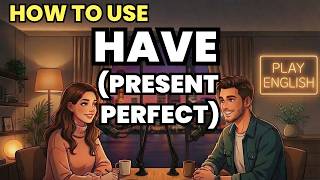
In this real conversation English podcast episode, Emma and Nico break down how to use the present perfect (HAVE) in everyday spoken English — so you can understand native speakers more easily and choose the correct tense when you speak.
────────────────────────
🎯 Core Grammar in Real Life (Everyday English)
This episode focuses on one of the most common English mistakes: using HAVE (present perfect) vs past simple.
Instead of confusing grammar rules, you’ll learn a simple decision system you can use instantly when speaking.
────────────────────────
Move past unnatural English like:
❌ “I have went yesterday.”
❌ “I have eat already.”
❌ “I have did my homework.”
❌ “She have eat already.”
and learn how to naturally say:
✅ “I went yesterday.”
✅ “I’ve already eaten.”
✅ “I did my homework last night.”
✅ “She has eaten already.”
✅ “I’ve been to Japan.”
✅ “I lost my keys yesterday.”
✅ “I’ve lost my keys.” (still matters now)
────────────────────────
🧠 In This Episode, You Will Learn:
✅ The difference between present perfect (HAVE) vs past simple
✅ When to use HAVE vs when NOT to use it
✅ The “finished time vs open time” decision system
✅ How to know if something is still connected to now
✅ Why learners say “I have went” and how to fix it
✅ The correct verb form after HAVE (past participle)
✅ The difference between “I went” vs “I’ve gone”
✅ The difference between “I lost it yesterday” vs “I’ve lost it”
✅ Common mistakes English learners make — and how to correct them instantly
✅ Real conversation examples you can use right away
────────────────────────
🌟 The Play English Method:
🔹 Learn English through real conversations, not textbook rules
🔹 Hear natural, everyday spoken English
🔹 Understand grammar through patterns, not memorization
🔹 Build speaking confidence through repetition and contrast
🔹 Train your instincts so the right form comes out automatically
────────────────────────
🚀 Perfect For:
✅ Beginner to Intermediate English learners (A1–B2)
✅ ESL / EFL students
✅ Learners confused about present perfect vs past simple
✅ English speaking and listening practice
✅ Students who say “I have went” or “I have eat”
✅ Anyone who wants to sound more natural in English
────────────────────────
🎁 What You’ll Take Away:
🎯 A simple decision system for using HAVE correctly
🎯 Confidence choosing present perfect vs past simple
🎯 Natural sentences you can use immediately
🎯 Better listening comprehension of native speakers
🎯 Fewer grammar mistakes in real conversation
────────────────────────
📘 Vocabulary & Phrase Highlights:
present perfect, have verb, have vs past simple, I have gone, I went yesterday, have eaten, have done, have seen, past participle, finished time, open time, English conversation, spoken English, everyday English, grammar in context
────────────────────────
📌 Subscribe for real conversation English podcasts that help you speak naturally, confidently, and comfortably in everyday life.
🔑 Keywords:
learn english podcast, present perfect, how to use have, have vs past simple, english conversation practice, spoken english, real english conversation, english grammar, english listening practice, speak english naturally, esl podcast, daily english, english fluency, easy english
#LearnEnglish #PlayEnglish #EnglishPodcast
#EnglishConversation #SpokenEnglish #EnglishPractice #EnglishSpeakingPractice
#HowToUse #EnglishGrammar #EverydayEnglish #RealEnglish
#PresentPerfect #HaveVsPast #PastSimple #Grammar
#ESL #EFL #EnglishForBeginners #PlayEnglishPodcast
Confused about when to use present perfect with HAVE vs simple past in English? This episode shows you exactly when to use HAVE vs past simple in real conversation — so you stop saying “I have went yesterday” and start speaking naturally.
In this real conversation English podcast episode, Emma and Nico break down how to use the present perfect (HAVE) in everyday spoken English — so you can understand native speakers more easily and choose the correct tense when you speak.
────────────────────────
🎯 Core Grammar in Real Life (Everyday English)
This episode focuses on one of the most common English mistakes: using HAVE (present perfect) vs past simple.
Instead of confusing grammar rules, you’ll learn a simple decision system you can use instantly when speaking.
────────────────────────
Move past unnatural English like:
❌ “I have went yesterday.”
❌ “I have eat already.”
❌ “I have did my homework.”
❌ “She have eat already.”
and learn how to naturally say:
✅ “I went yesterday.”
✅ “I’ve already eaten.”
✅ “I did my homework last night.”
✅ “She has eaten already.”
✅ “I’ve been to Japan.”
✅ “I lost my keys yesterday.”
✅ “I’ve lost my keys.” (still matters now)
────────────────────────
🧠 In This Episode, You Will Learn:
✅ The difference between present perfect (HAVE) vs past simple
✅ When to use HAVE vs when NOT to use it
✅ The “finished time vs open time” decision system
✅ How to know if something is still connected to now
✅ Why learners say “I have went” and how to fix it
✅ The correct verb form after HAVE (past participle)
✅ The difference between “I went” vs “I’ve gone”
✅ The difference between “I lost it yesterday” vs “I’ve lost it”
✅ Common mistakes English learners make — and how to correct them instantly
✅ Real conversation examples you can use right away
────────────────────────
🌟 The Play English Method:
🔹 Learn English through real conversations, not textbook rules
🔹 Hear natural, everyday spoken English
🔹 Understand grammar through patterns, not memorization
🔹 Build speaking confidence through repetition and contrast
🔹 Train your instincts so the right form comes out automatically
────────────────────────
🚀 Perfect For:
✅ Beginner to Intermediate English learners (A1–B2)
✅ ESL / EFL students
✅ Learners confused about present perfect vs past simple
✅ English speaking and listening practice
✅ Students who say “I have went” or “I have eat”
✅ Anyone who wants to sound more natural in English
────────────────────────
🎁 What You’ll Take Away:
🎯 A simple decision system for using HAVE correctly
🎯 Confidence choosing present perfect vs past simple
🎯 Natural sentences you can use immediately
🎯 Better listening comprehension of native speakers
🎯 Fewer grammar mistakes in real conversation
────────────────────────
📘 Vocabulary & Phrase Highlights:
present perfect, have verb, have vs past simple, I have gone, I went yesterday, have eaten, have done, have seen, past participle, finished time, open time, English conversation, spoken English, everyday English, grammar in context
────────────────────────
📌 Subscribe for real conversation English podcasts that help you speak naturally, confidently, and comfortably in everyday life.
🔑 Keywords:
learn english podcast, present perfect, how to use have, have vs past simple, english conversation practice, spoken english, real english conversation, english grammar, english listening practice, speak english naturally, esl podcast, daily english, english fluency, easy english
#LearnEnglish #PlayEnglish #EnglishPodcast
#EnglishConversation #SpokenEnglish #EnglishPractice #EnglishSpeakingPractice
#HowToUse #EnglishGrammar #EverydayEnglish #RealEnglish
#PresentPerfect #HaveVsPast #PastSimple #Grammar
#ESL #EFL #EnglishForBeginners #PlayEnglishPodcast