How to use "I Wish vs I Wish I Had" | Stop Making This Common English Mistake
リアクション
2026年06月11日
⭐️ Improve Your English with Real Conversations! ⭐️
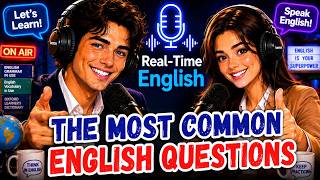
Welcome back to Plain English Podcast — where you learn natural English through easy, realistic conversations that help you speak with confidence.
🎙️ How to Use "I Wish" vs "I Wish I Had" | Stop Making This Common English Mistake
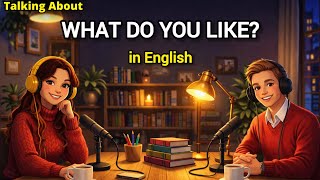
In today's episode, Tom and Anna break down one of the most common grammar mistakes English learners make: confusing "I wish" with "I wish I had."
These two expressions may look similar, but they express very different ideas. One talks about wishes for the present, while the other expresses regrets about the past.
Through natural conversations, relatable stories, and clear explanations, you'll finally understand when and how to use each one correctly.
📚 In This Episode You'll Learn:
✅ The difference between present wishes and past regrets
✅ When to use "I wish I were..." and "I wish I could..."
✅ How to use "I wish I had..." for past situations
✅ Common mistakes English learners make
✅ Natural pronunciation and everyday usage
✅ Real-life examples you can start using today
🎯 Why This Lesson Matters
Many learners say things like:
❌ "I wish I went to the party."
❌ "I wish I would speak English better."
After this lesson, you'll know exactly why these sentences sound unnatural and what native speakers actually say instead.
💡 Real Examples Covered:
• I wish I spoke French.
• I wish I were taller.
• I wish I had gone to the party.
• I wish I hadn't stayed home.
• If only I had known.
• If only I were more confident.
🎧 Perfect For:
✅ Beginner and Intermediate English learners (A2–B2)
✅ Students preparing for speaking exams
✅ Professionals improving communication skills
✅ Anyone who wants to sound more natural in English conversations
✅ Podcast listeners who enjoy learning through stories and dialogue
🌟 Learn English Naturally
At Plain English Podcast, we believe language learning should feel natural, enjoyable, and practical. That's why every lesson uses real conversations, everyday situations, and easy-to-understand explanations instead of complicated grammar rules.
🔔 Subscribe for more daily English conversations, listening practice, vocabulary lessons, grammar tips, and speaking exercises designed to help you become a confident English speaker.
#LearnEnglish #EnglishPodcast #EnglishConversation #SpeakEnglish #EnglishGrammar #EnglishListening #EnglishVocabulary #EnglishPractice #FluentEnglish #NaturalEnglish #LearnEnglishWithPodcast #EnglishSpeaking #DailyEnglish #EnglishTips #PlainEnglishPodcast
Welcome back to Plain English Podcast — where you learn natural English through easy, realistic conversations that help you speak with confidence.
🎙️ How to Use "I Wish" vs "I Wish I Had" | Stop Making This Common English Mistake
In today's episode, Tom and Anna break down one of the most common grammar mistakes English learners make: confusing "I wish" with "I wish I had."
These two expressions may look similar, but they express very different ideas. One talks about wishes for the present, while the other expresses regrets about the past.
Through natural conversations, relatable stories, and clear explanations, you'll finally understand when and how to use each one correctly.
📚 In This Episode You'll Learn:
✅ The difference between present wishes and past regrets
✅ When to use "I wish I were..." and "I wish I could..."
✅ How to use "I wish I had..." for past situations
✅ Common mistakes English learners make
✅ Natural pronunciation and everyday usage
✅ Real-life examples you can start using today
🎯 Why This Lesson Matters
Many learners say things like:
❌ "I wish I went to the party."
❌ "I wish I would speak English better."
After this lesson, you'll know exactly why these sentences sound unnatural and what native speakers actually say instead.
💡 Real Examples Covered:
• I wish I spoke French.
• I wish I were taller.
• I wish I had gone to the party.
• I wish I hadn't stayed home.
• If only I had known.
• If only I were more confident.
🎧 Perfect For:
✅ Beginner and Intermediate English learners (A2–B2)
✅ Students preparing for speaking exams
✅ Professionals improving communication skills
✅ Anyone who wants to sound more natural in English conversations
✅ Podcast listeners who enjoy learning through stories and dialogue
🌟 Learn English Naturally
At Plain English Podcast, we believe language learning should feel natural, enjoyable, and practical. That's why every lesson uses real conversations, everyday situations, and easy-to-understand explanations instead of complicated grammar rules.
🔔 Subscribe for more daily English conversations, listening practice, vocabulary lessons, grammar tips, and speaking exercises designed to help you become a confident English speaker.
#LearnEnglish #EnglishPodcast #EnglishConversation #SpeakEnglish #EnglishGrammar #EnglishListening #EnglishVocabulary #EnglishPractice #FluentEnglish #NaturalEnglish #LearnEnglishWithPodcast #EnglishSpeaking #DailyEnglish #EnglishTips #PlainEnglishPodcast