Over 60? 6 Japanese Movement Secrets for Stronger Legs and Better Balance | Senior Wellness
リアクション
2026年07月03日
Welcome to Senior Wellness, your trusted destination for practical tips on senior health, healthy aging, balance, mobility, and independent living after 60.
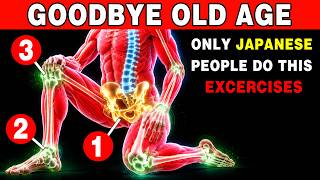
Have you ever wondered why so many older adults in Japan remain active, steady, and confident well into their 80s and 90s? In this video, you'll discover 6 fascinating Japanese movement secrets inspired by traditional culture and modern movement principles. From the ancient Namba Walking style to Suriashi, traditional floor living, mindful cleaning habits, and foot-strengthening techniques, these simple daily practices may help you improve balance, protect your joints, and build stronger legs naturally.
Unlike intense workouts or complicated fitness routines, these gentle movement habits can easily become part of your everyday lifestyle. Whether you're looking to improve senior health, reduce your fear of falling, increase mobility, or simply stay active as you age, this video offers practical ideas you can start using today.
At Senior Wellness, our mission is to provide evidence-informed content that supports senior health, healthy movement, balance training, fall prevention, joint mobility, and functional fitness for adults over 60. Every video is created to help you stay stronger, safer, and more independent through simple daily habits.
⚠️ This video is for educational purposes only and is not intended to replace professional medical advice. Always consult your healthcare provider before beginning any new exercise or wellness routine, especially if you have a medical condition.
If you enjoy learning about senior health, healthy aging, balance exercises, walking tips, mobility improvement, and natural wellness strategies, be sure to subscribe to Senior Wellness and join our growing community dedicated to living stronger after 60.
Thank you for watching Senior Wellness! We upload new videos every week to help you improve senior health, maintain independence, and enjoy a healthier, more active life—one step at a time.
#SeniorWellness #SeniorHealth #HealthyAging #BalanceTraining #Mobility
📚 Research & Cultural References Mentioned in This Video:
This video is inspired by traditional Japanese movement culture and general healthy-aging principles, including:
• Namba Aruki – a traditional Japanese walking style associated with older movement patterns from Japan’s Edo period.
• Suriashi – a sliding-foot movement used in Japanese traditions such as Noh theater, Kendo, and Sumo training.
• Zashiki and Tatami living – traditional Japanese floor-based home environments that encourage more natural daily movement.
• Sōji – the Japanese practice of everyday cleaning, which can include gentle bending, reaching, squatting, rotating, and standing movements.
• Geta and Zori sandals – traditional Japanese footwear that may encourage greater toe awareness and foot engagement.
• General fall-prevention and mobility principles commonly used in senior fitness, physical therapy, and healthy aging education.
This video does not claim that these habits cure disease, prevent aging, or guarantee longer life. The movements shared are educational ideas inspired by Japanese culture and are intended to encourage safer, more mindful daily movement for older adults.
⚠️ Disclaimer:
Senior Wellness does not provide medical advice. The information in our videos—including text, narration, images, graphics, and demonstrations—is for educational and informational purposes only. It is not intended to replace professional medical advice, diagnosis, or treatment.
Always consult your doctor, physical therapist, or qualified healthcare provider before starting any new exercise, movement routine, or wellness practice, especially if you have arthritis, joint pain, balance problems, dizziness, osteoporosis, heart disease, recent surgery, or any ongoing medical condition.
Stop immediately if you feel sharp pain, dizziness, shortness of breath, or unusual discomfort.
📚 Copyright Notice:
This video may include commentary, educational discussion, cultural references, and visual material used for informational purposes. We respect the rights of all copyright owners. Any third-party materials belong to their respective owners and are used only where permitted by law, license, or fair-use principles for education, commentary, and research.
Have you ever wondered why so many older adults in Japan remain active, steady, and confident well into their 80s and 90s? In this video, you'll discover 6 fascinating Japanese movement secrets inspired by traditional culture and modern movement principles. From the ancient Namba Walking style to Suriashi, traditional floor living, mindful cleaning habits, and foot-strengthening techniques, these simple daily practices may help you improve balance, protect your joints, and build stronger legs naturally.
Unlike intense workouts or complicated fitness routines, these gentle movement habits can easily become part of your everyday lifestyle. Whether you're looking to improve senior health, reduce your fear of falling, increase mobility, or simply stay active as you age, this video offers practical ideas you can start using today.
At Senior Wellness, our mission is to provide evidence-informed content that supports senior health, healthy movement, balance training, fall prevention, joint mobility, and functional fitness for adults over 60. Every video is created to help you stay stronger, safer, and more independent through simple daily habits.
⚠️ This video is for educational purposes only and is not intended to replace professional medical advice. Always consult your healthcare provider before beginning any new exercise or wellness routine, especially if you have a medical condition.
If you enjoy learning about senior health, healthy aging, balance exercises, walking tips, mobility improvement, and natural wellness strategies, be sure to subscribe to Senior Wellness and join our growing community dedicated to living stronger after 60.
Thank you for watching Senior Wellness! We upload new videos every week to help you improve senior health, maintain independence, and enjoy a healthier, more active life—one step at a time.
#SeniorWellness #SeniorHealth #HealthyAging #BalanceTraining #Mobility
📚 Research & Cultural References Mentioned in This Video:
This video is inspired by traditional Japanese movement culture and general healthy-aging principles, including:
• Namba Aruki – a traditional Japanese walking style associated with older movement patterns from Japan’s Edo period.
• Suriashi – a sliding-foot movement used in Japanese traditions such as Noh theater, Kendo, and Sumo training.
• Zashiki and Tatami living – traditional Japanese floor-based home environments that encourage more natural daily movement.
• Sōji – the Japanese practice of everyday cleaning, which can include gentle bending, reaching, squatting, rotating, and standing movements.
• Geta and Zori sandals – traditional Japanese footwear that may encourage greater toe awareness and foot engagement.
• General fall-prevention and mobility principles commonly used in senior fitness, physical therapy, and healthy aging education.
This video does not claim that these habits cure disease, prevent aging, or guarantee longer life. The movements shared are educational ideas inspired by Japanese culture and are intended to encourage safer, more mindful daily movement for older adults.
⚠️ Disclaimer:
Senior Wellness does not provide medical advice. The information in our videos—including text, narration, images, graphics, and demonstrations—is for educational and informational purposes only. It is not intended to replace professional medical advice, diagnosis, or treatment.
Always consult your doctor, physical therapist, or qualified healthcare provider before starting any new exercise, movement routine, or wellness practice, especially if you have arthritis, joint pain, balance problems, dizziness, osteoporosis, heart disease, recent surgery, or any ongoing medical condition.
Stop immediately if you feel sharp pain, dizziness, shortness of breath, or unusual discomfort.
📚 Copyright Notice:
This video may include commentary, educational discussion, cultural references, and visual material used for informational purposes. We respect the rights of all copyright owners. Any third-party materials belong to their respective owners and are used only where permitted by law, license, or fair-use principles for education, commentary, and research.