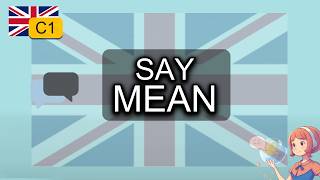
English C1: What People Say vs What They Mean | Real Native English Explained
リアクション
2026年07月19日
In this English C1 lesson, you’ll learn how native English speakers often mean something different from the literal words they say. If you’ve ever heard phrases like “That’s interesting,” “We’ll see,” or “No offense, but…” and felt unsure about the real message, this lesson will help you understand the hidden meaning behind everyday English.
This video uses a clear two-person dialogue format to explore indirect communication in real spoken English. After each phrase, the speakers explain what it can really mean depending on tone, context, and situation. This makes it easier to recognize polite language, implied meaning, and subtle reactions in both social and professional conversations.
What you’ll learn in this lesson:
how to understand implied meaning in advanced English
common English phrases that do not always mean exactly what they say
how tone and context change meaning
how native speakers soften criticism or avoid direct answers
how to interpret polite but indirect responses in work and social situations
how to improve your listening comprehension for real-life English
This lesson is especially useful for advanced learners who want to sound more natural, understand nuance, and avoid misunderstandings in conversation. It’s great for English listening practice, speaking improvement, and building confidence with authentic communication.
Lesson format:
two-person conversational dialogue
short realistic example phrases
simple explanations after each example
easy-to-follow C1-level listening and interpretation practice
Perfect for:
advanced English learners
C1 English students
ESL and EFL learners
people preparing for work, study, or life in English-speaking environments
anyone who wants to understand real native English better
Keywords:
English C1
what people say vs what they mean
advanced English lesson
real spoken English
native English phrases
indirect English
implied meaning in English
English listening practice
English conversation lesson
polite English expressions
understanding tone and context
English for work and social situations
Subscribe to @BabelBoosters for more advanced English lessons, listening practice, and real-life communication tips.
Copyright & Disclaimer
© 2026 Babel Boosters. All rights reserved.
This content is provided for educational and entertainment purposes only. It may contain AI-generated, fictionalized, speculative, randomized, or otherwise non-factual elements and should not be relied upon as legal, financial, medical, investment, technical, or other professional advice. Do not make decisions or take actions based on this content. Voice generated using Coqui TTS (VITS) with speakers from the CSTR VCTK Corpus (CC BY 4.0). Re-uploading, copying, redistributing, selling, republishing, or commercially exploiting this content, in whole or in part, without prior written permission is prohibited.
This video uses a clear two-person dialogue format to explore indirect communication in real spoken English. After each phrase, the speakers explain what it can really mean depending on tone, context, and situation. This makes it easier to recognize polite language, implied meaning, and subtle reactions in both social and professional conversations.
What you’ll learn in this lesson:
how to understand implied meaning in advanced English
common English phrases that do not always mean exactly what they say
how tone and context change meaning
how native speakers soften criticism or avoid direct answers
how to interpret polite but indirect responses in work and social situations
how to improve your listening comprehension for real-life English
This lesson is especially useful for advanced learners who want to sound more natural, understand nuance, and avoid misunderstandings in conversation. It’s great for English listening practice, speaking improvement, and building confidence with authentic communication.
Lesson format:
two-person conversational dialogue
short realistic example phrases
simple explanations after each example
easy-to-follow C1-level listening and interpretation practice
Perfect for:
advanced English learners
C1 English students
ESL and EFL learners
people preparing for work, study, or life in English-speaking environments
anyone who wants to understand real native English better
Keywords:
English C1
what people say vs what they mean
advanced English lesson
real spoken English
native English phrases
indirect English
implied meaning in English
English listening practice
English conversation lesson
polite English expressions
understanding tone and context
English for work and social situations
Subscribe to @BabelBoosters for more advanced English lessons, listening practice, and real-life communication tips.
Copyright & Disclaimer
© 2026 Babel Boosters. All rights reserved.
This content is provided for educational and entertainment purposes only. It may contain AI-generated, fictionalized, speculative, randomized, or otherwise non-factual elements and should not be relied upon as legal, financial, medical, investment, technical, or other professional advice. Do not make decisions or take actions based on this content. Voice generated using Coqui TTS (VITS) with speakers from the CSTR VCTK Corpus (CC BY 4.0). Re-uploading, copying, redistributing, selling, republishing, or commercially exploiting this content, in whole or in part, without prior written permission is prohibited.